Gulf Coast Cast Iron · Service Area
Cast Iron Pipe Replacement in Cape Coral, FL
Older southeast and south Cape homes sit on 1960s cast iron. We tell you whether yours needs lining or a full replacement.
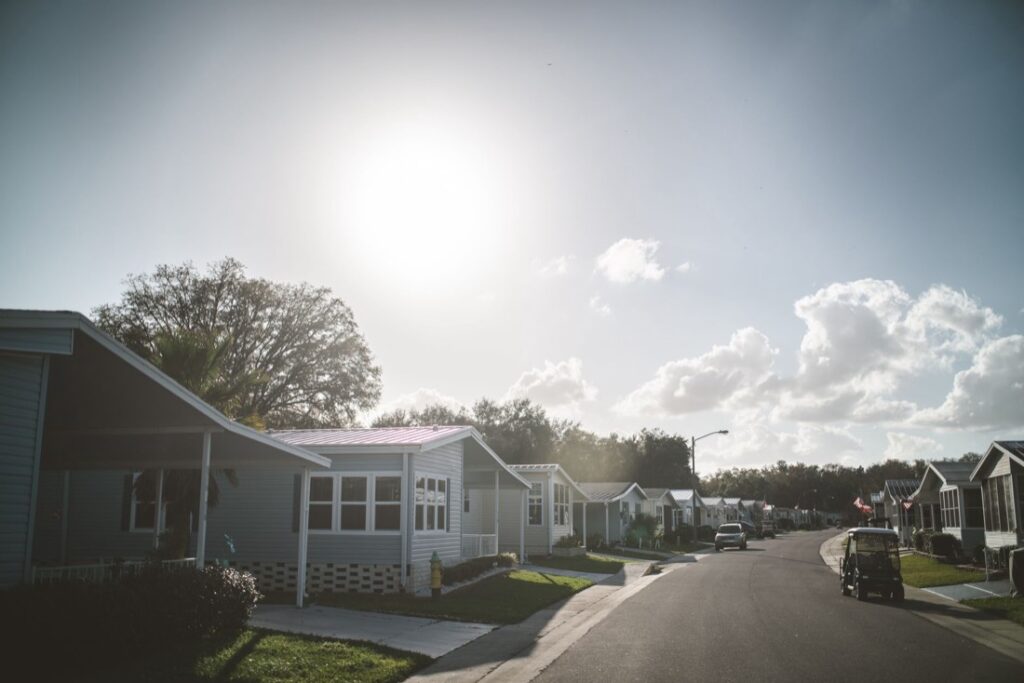
Older southeast and south Cape homes sit on 1960s cast iron. We tell you whether yours needs lining or a full replacement.
Cape Coral was built in phases, and the phase you live in decides what your drain lines are made of. The city started platting in the late 1950s, and the first homes went up in the southeast and south Cape near the river, off Del Prado and around Cornwallis. Those early slab houses were plumbed with cast iron. That is the pre-1975 core, and that is where we spend most of our time.
Everything north and west of that filled in later, much of it after PVC became standard. So a Cape Coral address alone tells us almost nothing. The build year does. If your house went up before 1975 on a concrete slab, there is cast iron under the floor, and by now it has been sitting in wet SW Florida ground for over fifty years.
The pipe rusts from the inside out. The bottom of the line channels first, meaning the floor of the pipe wears through while the top still looks fine. Roots and the shifting water table around all those canals do not help. We explain the full mechanism on our page about why cast iron fails in Southwest Florida, so we will not repeat it here.
The Cape Coral pattern we see over and over: a canal-front slab home, original owner long gone, and a 4-point inspection that just flagged the drain lines. The buyer is spooked and the insurer has started a non-renewal clock. Nobody planned for this. It shows up at the worst possible moment, usually during a sale.
We put a camera down the line before anyone quotes a dollar. In a lot of south Cape homes the run under the slab is tired but not gone, and that is a lining candidate. CIPP lining runs around seventeen thousand and skips the concrete cutting. When the pipe has already collapsed or bellied, lining is not honest and we say so, and a full dig replacement runs thirty to fifty. We quote both and let the camera decide.
We are the neutral referee here. We do not sell you a tear-out when a liner holds, and we do not line a pipe that needs to come out. Licensed and insured, and we work across Lee County.
If your 4-point already flagged the plumbing, do not guess at what that means. Send us your 4-point report – we’ll tell you what it actually means for your pipes. Use the form below.
Upload the report or a photo of the pipe. We will read it and tell you what it actually means for your pipes - repair or replace, honestly, no site visit needed. We respond within one business day.